Why Meal Prep Changes Everything
Meal preparation isn't just about cooking in bulk — it's a lifestyle strategy that puts you in control of your nutrition, budget, and time. Studies show that people who meal prep consume more fruits and vegetables and have a more varied diet overall.
Essential Equipment
- Quality glass containers in various sizes
- A sharp chef's knife and cutting board
- Sheet pans for batch roasting
- A slow cooker or instant pot
- Resealable bags for freezer storage
Step 1: Plan Your Week
Before you shop, decide what meals you'll prepare. Use FitZen's meal planning feature to generate a balanced weekly plan tailored to your nutritional needs and preferences.
The 3-2-1 Method
Start simple:
- 3 proteins — Chicken, fish, and beans/lentils
- 2 grains — Brown rice and quinoa
- 1 batch of roasted vegetables — Mix of seasonal veggies
Step 2: Smart Shopping
Create your shopping list based on your meal plan. Group items by store section (produce, proteins, grains) to make your trip efficient.
Pro tip: Buy pre-washed, pre-cut vegetables if you're short on time. The small extra cost is worth the hours saved.
Step 3: Batch Cooking Day
Set aside 2-3 hours on Sunday (or whichever day works best). Follow this order for maximum efficiency:
- Start grains in a rice cooker or pot
- Get proteins seasoned and into the oven
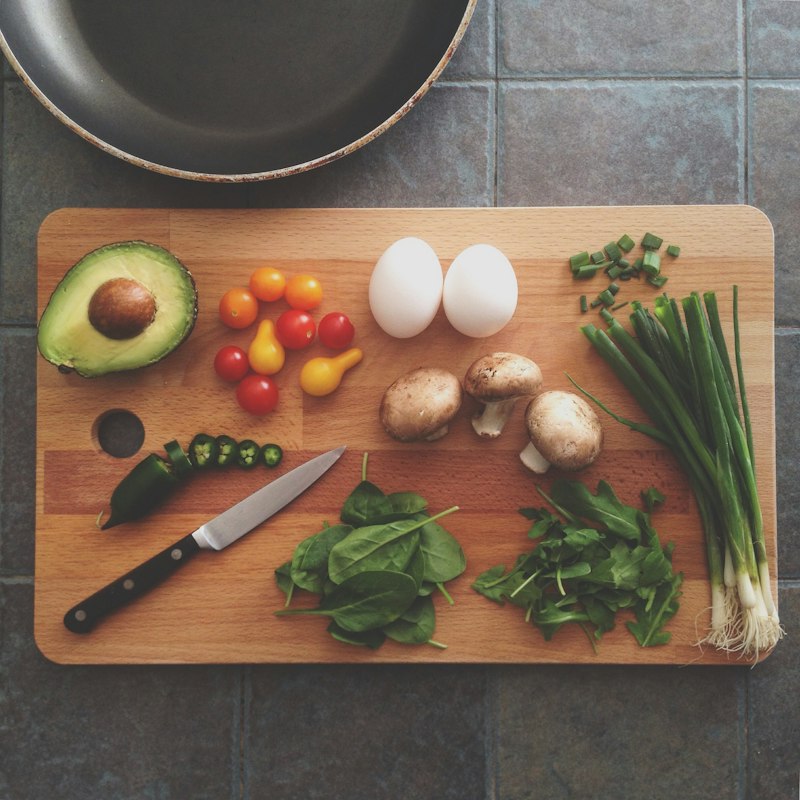
- While those cook, wash and chop all vegetables
- Roast vegetables on a separate sheet pan
- Prepare sauces and dressings
Step 4: Storage and Portioning
Divide everything into individual portions in your containers. Label each container with the contents and date. Most meal-prepped food stays fresh for 4-5 days in the fridge.
Common Mistakes to Avoid
- Prepping too much at once — Start with 3-4 meals and build up
- Ignoring variety — Use different seasonings and sauces to keep things interesting
- Forgetting snacks — Prep healthy snacks like cut vegetables, nuts, and fruit
Let AI Handle the Planning
FitZen can generate your entire weekly meal plan with grocery lists, nutritional information, and step-by-step recipes — all personalised to your dietary needs and goals. You just cook and eat.
Frequently Asked Questions
How long does meal prep take for a whole week?
Most people complete a full week's meal prep in 2–3 hours once they have a system. Your first session may take longer (3–4 hours) while you find your rhythm. By week three, most beginners are done in under two hours.
How many days does meal-prepped food last in the fridge?
Most cooked proteins, grains, and roasted vegetables stay fresh for 4–5 days refrigerated in airtight containers. Fish and seafood are best consumed within 3 days. For longer storage, freeze individual portions — most meals freeze well for up to 3 months.
Is meal prep worth it for one person?
Absolutely. Meal prep is arguably more valuable for individuals — you control every ingredient, waste less food, spend less money eating out, and always have something healthy ready when you're tired and tempted to order takeaway.
What foods don't meal prep well?
Foods that go soggy quickly — dressed salads, cooked pasta with sauce (store separately), and avocado — don't prep well. Also avoid reheating eggs more than once. Stick to roasted vegetables, grains, cooked proteins, and soups as your prep base.
Do I need to count calories when meal prepping?
No. Focus on building balanced plates rather than precise calorie counting. However, if you have specific body composition goals, portioning by hand (palm of protein, fist of carbs) gives you a practical framework without obsessive measuring.